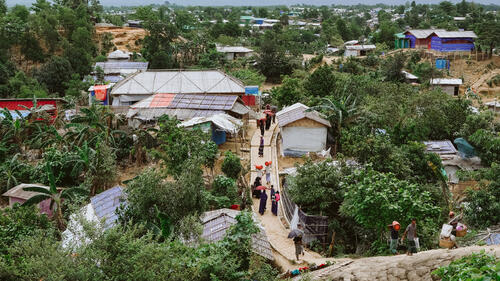
MSF's Voice on Climate, Environment & Health
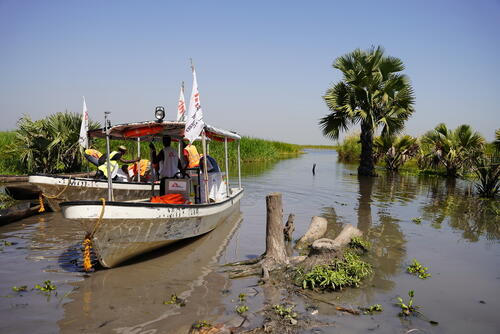
MSF is increasingly speaking out on the urgent links between climate change, environmental degradation, and health—especially for people living in crisis-affected settings. By sharing evidence from its medical operations, MSF draws attention to the health impacts of climate-driven events such as extreme weather, food insecurity, and the spread of infectious diseases.
Beyond raising awareness, MSF actively advocates for people-centered responses and challenges harmful policies that limit access to care. Through témoignage, MSF amplifies the voices of affected communities and calls for stronger political, technical, and financial support to protect health in a changing climate. Our advocacy emphasizes the often-overlooked needs of the most vulnerable and promotes integrated solutions that bridge the gaps between climate, health, and humanitarian action.
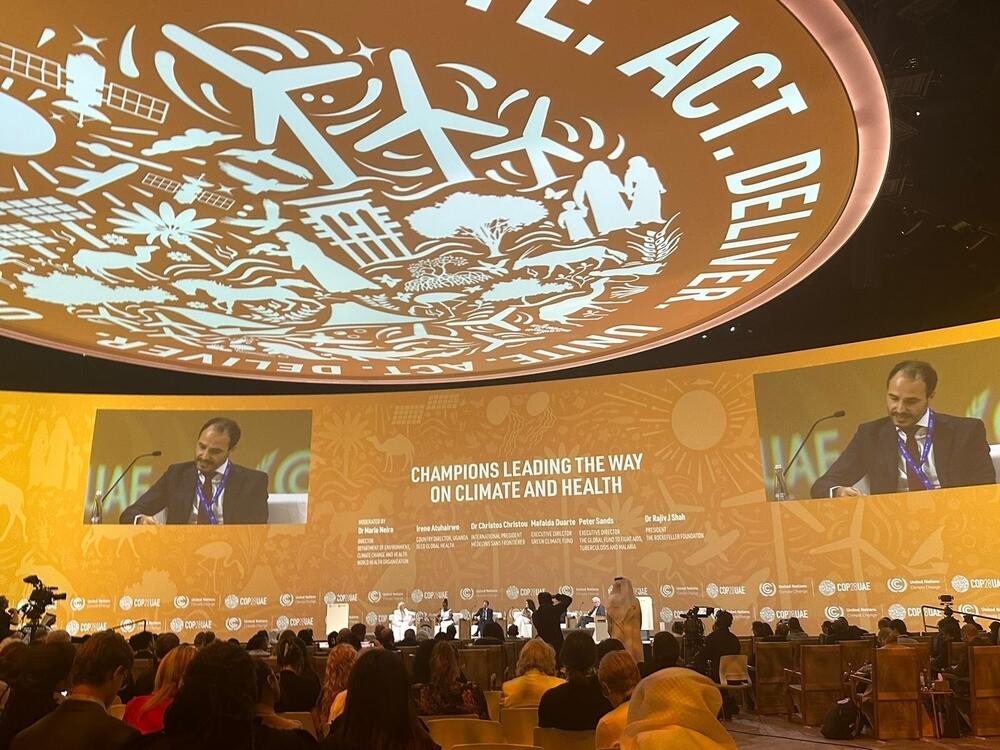
MSF at COP28
Dr. Christou emphasizes that climate change is a humanitarian and health crisis. MSF teams are witnessing its effects firsthand in the field, where communities are already suffering from overlapping emergencies (conflict, displacement, malnutrition, and epidemics), all of which are intensified by climate-related shocks such as floods, droughts, and extreme heat.
He points out that those who are least responsible for climate change are suffering the most from its impacts. These communities often lack the resources and infrastructure needed to adapt, making them highly vulnerable. Climate change is not a distant threat, but a present-day emergency affecting people MSF assists. Dr. Christou calls for urgent political action, noting that mitigation and adaptation must go hand-in-hand. Governments and decision-makers must take immediate steps to limit global warming and prioritize health-focused, people-centered climate responses, in the most affected regions.
MSF’s commitment to adapt its own operations to the changing environment and to continue advocating for climate justice as a medical and moral imperative.
Featured Media
The 17-minute documentary Life on the Levee was shot in July 2024 in Old Fangak, Jonglei state in South Sudan. Since then, heavier rainfall and higher river levels have occurred, submerging many of the villages surrounding Old Fangak. We feel this strong visual content will help bear witness to the dire living conditions thousands of inhabitants living in the Sudd marshes are currently facing, fighting against rising waters
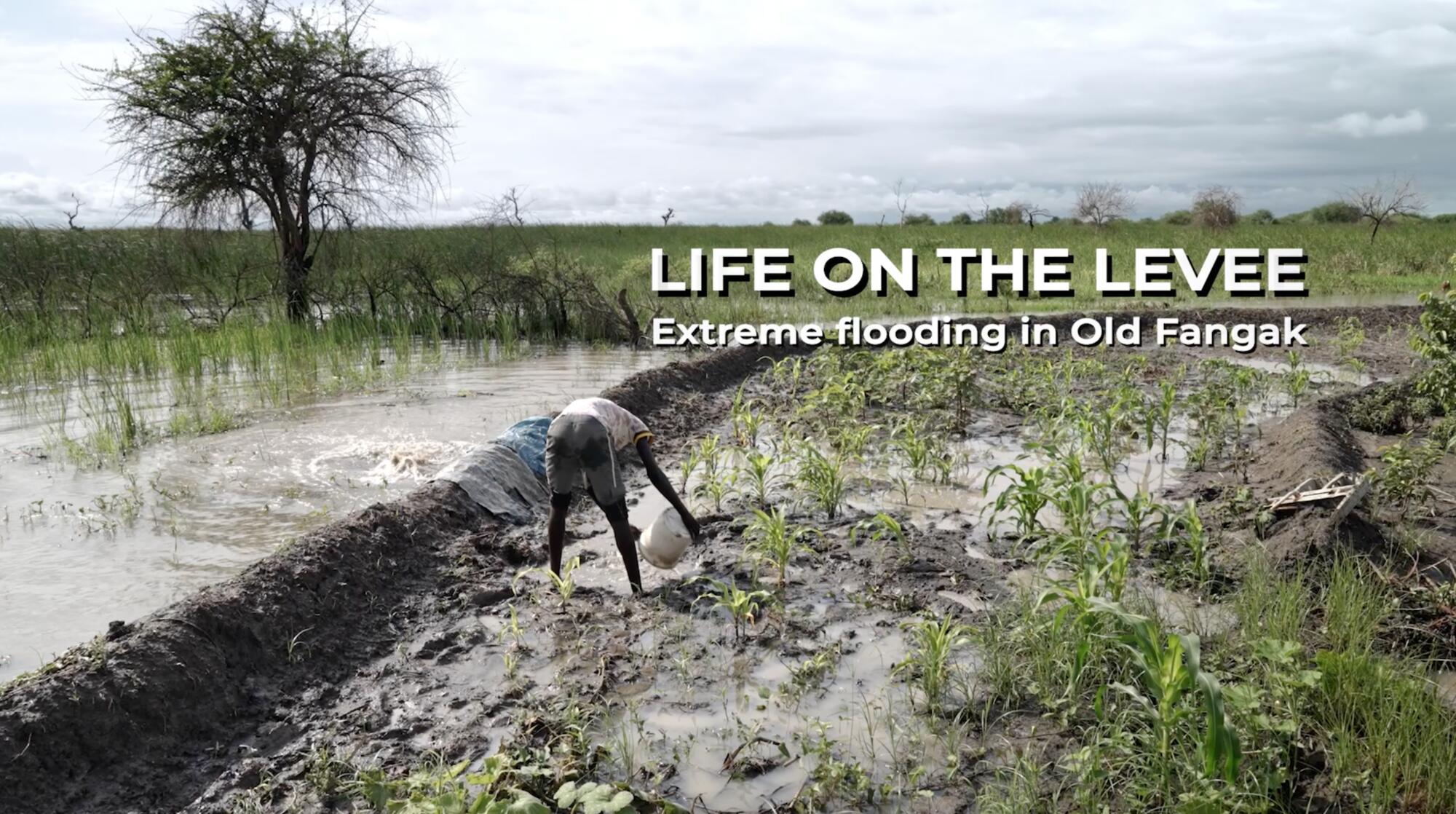
Life on the levee
Additional Climate Media
MSF Green Day 2023 - Advocacy Debate
(Stream Link)
Past Events
Watch recordings of past Climate and Environment webinars from various MSF sections.
Advocacy Publications
MSF Climate Advocacy Publications
Articles highlighting MSF’s climate advocacy efforts, focusing on the health impacts of climate change, ethical and policy challenges, and the urgent need for equitable, inclusive responses in humanitarian settings.
MSF Science Portal Articles on Climate & Environment
MSF's insights on how climate change intensifies health and humanitarian crises in vulnerable regions, emphasizing the need for urgent, climate-informed action across operations, research, and policy.
Lancet Countdown Policy Briefs (2018-2024)
The Lancet Countdown and Médecins Sans Frontières (MSF) explores how climate change is already exacerbating health and humanitarian crises, particularly in vulnerable and low-resource settings. It calls for urgent global action to reduce emissions, adapt health systems, and integrate humanitarian perspectives into climate policy, while highlighting MSF’s field experience with issues such as extreme weather, infectious diseases, undernutrition, and displacement.