Recordings now available! The Foresight Webinar Series Dec 2025-Feb 2026
MSF Americas Foresight Webinar Series
This series aims to spark reflection and dialogue ahead of the MSF Americas Foresight Climate Scenario Planning Workshop, to be held in Bogotá, Colombia, 11–13th March 2026 (more information to come). The webinars are open to all MSFers. However, we especially encourage the March workshop participants to attend.
There will be translation provided to/from English, Portuguese and Spanish.
Click here to learn more!
Navigating the Hub
Start Here - A brief overview of MSF's approach to Climate & Environment, including a historical overview of initiatives, commitments and pledges.
Mitigation - This section provides practical tools to help MSF achieve its 50% emissions reduction target by 2030. You can find carbon accounting tools, roadmaps, training materials, actionable frameworks and case studies.
Adaptation - This section provides practical tools to integrate climate and environmental adaptation into MSF operations. Tools include planning frameworks (seasonal calendars/overviews), technical guidance for extreme weather events, and significant climate & environment reports.
Public Voice - You'll find external advocacy resources that MSF has developed and/or collaborated on.
Site Map & Documents - Easily locate any page or document in the site using the Site Map or Documents Lists.
Featured Document: Climate and Environment Glossary - Familiarize yourself with climate and environment terminology and how specifics terms are applicable to the context of MSF's operations. Click Here to Download.
CEH Contacts & Events - MSF's Climate & Environmental Health (CEH) contacts, upcoming Climate & Environment events, and past events with available recordings.

Overview
Empowering Change, One Climate Action at a Time
The MSF Climate Hub is a shared space to consolidate movement-wide tools, insights, and experiences that support our response to the growing health impacts of climate and environmental change. The Hub aims to provide an intersectional overview—gathering key resources, guidance, and learning materials from across MSF and serving as a repository for common tools, capitalisations, and initiatives. While most current content is sourced from Climate Smart and HACE, the Hub is designed to grow as contributions from across Operational Directorates (ODs) and units are integrated.
To ensure the Hub remains relevant and sustainable, regular content updates are coordinated in collaboration with HACE and the OD’s CEH Focal Points. Updates are planned on an ongoing basis, in consultation with key content owners. Reports, case studies, and internal events can also be shared directly by OD or unit-level teams.
If you have feedback or questions, please contact Léo Tremblay, HACE Lead.
If you would like to feature content on the Climate Hub, please contact Sanju Shampur.
Three Pillars

Upcoming Climate & Environment Events
Stay informed and engaged with MSF's climate action through our global events! This section highlights upcoming webinars, workshops, and conferences focused on Knowledge Sharing, Skill Building and Advocacy. For a complete list of past and future events, refer to the CEH Contacts & Events page.
Climate Action in MSF
An Overview of MSF's Approach to Climate, Environment, and Health
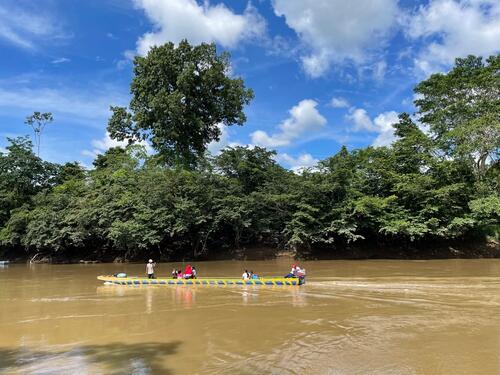
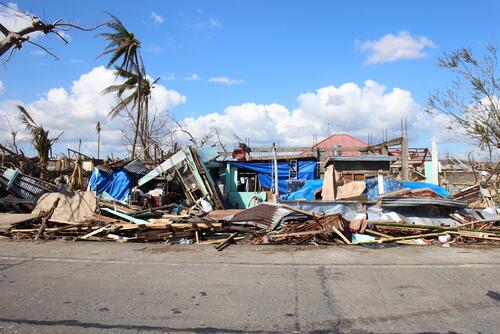
MSF has been increasingly taking climate into account in its work, recognising the growing health impacts of climate change on the people we assist. Key early milestones included the 2017 Geneva workshop, contributions to the Lancet Countdown, and the 2018 Elephant in MSF’s Operational Space paper, which called for a strategic response. It led to recommendations such as forming a Climate & Health Working Group, improving research and data sharing, advocating for climate-conscious policies, and reducing MSF’s environmental footprint. These actions laid the foundation for the 2020 Environmental Pact, which commits MSF to minimize our environmental footprint, adapt our responses, collaborate with communities, develop partnerships, bear witness of climate change impacts, and hold ourselves accountable.
Over the years, several initiatives have been developed to support the Environmental Pact commitments. These include the Climate-Smart TIC project—now partly integrated into the International Office—which was created to lead efforts on reducing MSF’s environmental footprint, and the MSF-Canada Humanitarian Action on Climate and Environment (HACE) initiative, which focuses on climate and environmental adaptation through tools, training, research, and a community of practice. CEH focal points across operational directorates help integrate climate concerns into strategy and operations, while expanded roles in environmental, public, and planetary health support this work. Additionally, the Climate Adaptation Community of Practice (CACoP) meets monthly to discuss adaptation efforts and pursue work in a collaborative way.

Relevant Articles

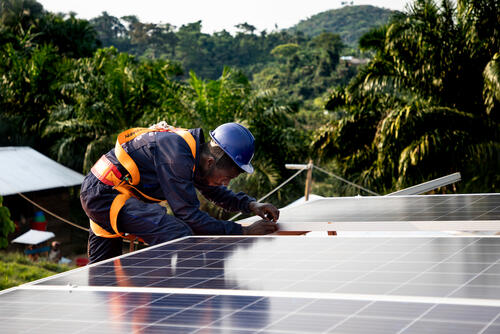
MSF commits to reduce carbon emissions to help safeguard the most vulnerable

A hostile climate: How MSF humanitarian workers and communities are adapting to climate change
If you have feedback or questions, please contact Léo Tremblay, HACE Lead.
If you would like to add content to the Climate Hub, contact Sanju Shampur.