Reduce CO₂-eq and Environmental Degradation
In 2022 and 2023, MSF calculated its 2019 carbon footprint at 507,589 CO₂-eq using a methodology in accordance with the Green House Gas protocol. Our goal is to reduce our emissions by 50% by 2030.
Mitigation refers to deliberate actions to reduce or prevent CO₂ emissions-equivalent (CO₂-eq) and minimize environmental degradation.
Médecins Sans Frontières (MSF) recognizes the significant challenges posed by climate change and environmental degradation, especially for communities already vulnerable due to conflict, economic insecurity, and limited access to healthcare. MSF is committed to implementing mitigation measures to address these challenges and reduce their health and humanitarian consequences, prioritizing those most affected.
Mitigation requires a range of strategies across areas to achieve substantial reductions in CO₂-eq emissions and environmental harm. These pages provide approaches, methods, ideas, tools, and resources to help us work together to meet our collective commitments as an organization.
The MSF International Office (IO) Climate & Environment (C&E) team leads the organization’s global efforts to mitigate its environmental impact. Coordinated by the IO C&E Team Lead, the team is composed of specialists in sustainable procurement, supplier sustainability, carbon accounting, and environmentally sustainable medical and logistical practices and products.
In the coming months, the team will develop the implementation plan for the Mutual Accountability Framework (MAF), created under the Climate Smart initiative.
In collaboration with C&E Focal Points from all operational centers and supply units, the team drives initiatives to reduce MSF’s environmental footprint. It works closely with the Humanitarian Action on Climate and Environment (HACE) team, the Global Procurement Unit (GPU), and various medical and technical International Working Groups (IWGs) to integrate sustainability across the MSF movement.
The C&E team also engages with broader climate and environment pillars, including Adaptation (CACoP) and Advocacy (CEH IAPG), to ensure a holistic and comprehensive approach to sustainability.
Carbon Framework
msf.orgMSF standardized methodologies to accurately assess and manage greenhouse gas emissions within our organization.
At this page you will find:
- Environmental Impact Tool
- Common Methodology Guidance
- IMs Carbon Reporting
Travel
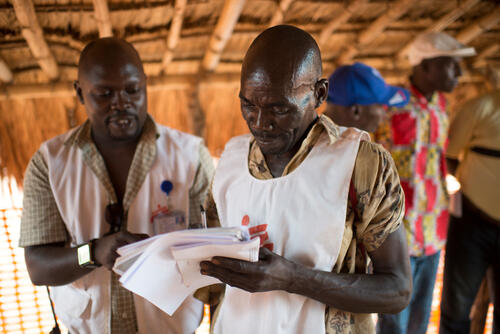
msf.orgAt 2019 MSF footprint baseline, business travel accounted for 21% of MSF's CO₂e, with air travel representing 15% of the total. The reduction target for travel is set at 30-35% in 2030.
At this page you will find:
- MSF Travel Carbon App
- Air Travel Decision Tree infographic
- Sustainable Travel Video
- International Environmental Travel Guidance
- Sustainable Aviation Fuel Position

Energy Transition
msf.orgIn 2019, electricity purchases and diesel generators accounted for 13% of MSF's CO₂e based on our baseline.
As part of our commitment by 2030, MSF aims for a 30-40% reduction in overall energy consumption, and to source 60-70% of our energy from renewable sources, or achieve a 60-75% reduction in CO₂ emissions per kWh.
On this page, you will find:
- Buildings & Energy: incl. "Passive Design Guide for Tropical, Arid & Continental Climates" from OCBA
- PACEMaker -Intersectional version
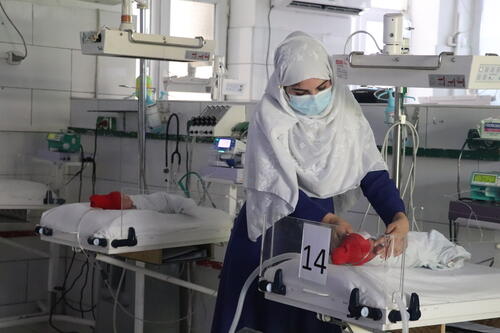
Hanifa, a neonatal nurse, checks the vital signs of a newborn baby in the neonatal intensive care unit (NICU) at the MSF maternity hospital in Khost province, Afghanistan. In 2024, 1,845 infants were admitted to the NICU – most often because they were suffering from sepsis, low birth weight, or birth asphyxia, and needed specialized treatment before they could be discharged to go home with their mothers.
Supply Chain
msf.orgNearly half of MSF' carbon footprint comes from the goods and services we purchase, making sustainable procurement critical to our environmental commitments. To meet our goal of reducing carbon emissions by 50% by 2030, we engage suppliers to take responsibility for the environmental impact of their products and services, from production to disposal.
MSF’s sustainable procurement approach integrates economic, environmental, and social considerations into every stage of the supply chain. By prioritizing accountability and sustainability, we aim to reduce our carbon footprint while maintaining the essential support our mission requires.

Education & Change Management
msf.orgAccess practical materials—including toolkits, policies, training modules, videos, and advocacy resources—to drive measurable climate action within MSF and beyond.