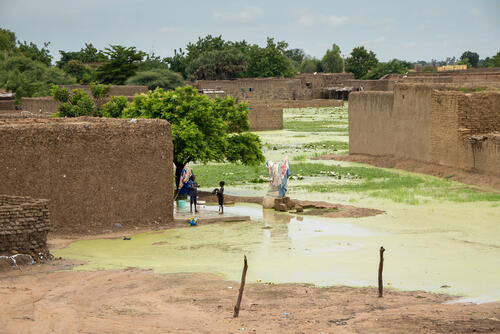
Acting Ahead
In a changing climate, early warning systems give humanitarians a chance to act before a crisis hits. By anticipating events like floods, heatwaves, or disease outbreaks, MSF teams can take early steps - such as prepositioning supplies, adjusting outreach, or reinforcing health services. This proactive approach helps reduce suffering, protect vulnerable communities, and keep healthcare running even in high-risk settings. It’s not just about reacting quickly - it’s about being ready.
Request HACE Support
elixir.msf.orgNeed support or guidance on historical, real-time, or forecasted weather? Looking to access HACE products like Seasonal Outlooks or seasonal calendars for your project or mission? You can submit your request directly through the Elixir platform.
You can sign up with your MSF credentials.
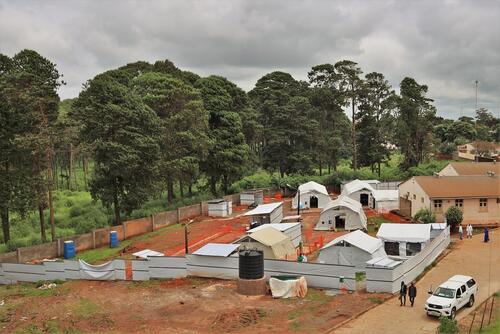
Flood Monitoring & Forecasting Handbook
The Flood Monitoring & Forecasting Handbook serves as a critical resource for anticipatory action and long-term adaptation. The handbook helps MSF teams monitor, forecast, and prepare for floods, while effectively supporting both immediate readiness and long-term climate adaptation. It demystifies the growing ecosystem of forecasting tools and data services, helping teams select and apply the right resources for preparedness and early response.
Click here for the english handbook
Cliquez ici pour le guide français
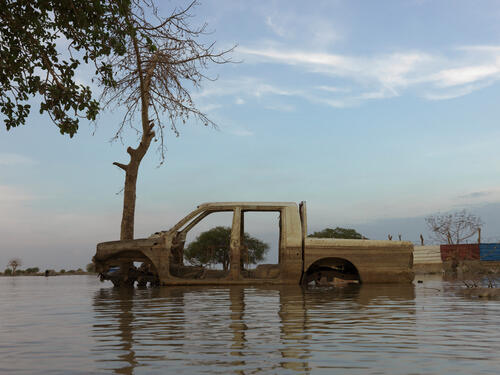
Anticipating Climate-Sensitive Diseases
In recent years, MSF has launched several initiatives to better anticipate climate-sensitive diseases.
The TIC-funded Malaria Anticipation Project began in 2021 and is now expanding in Nigeria.
Click here to learn more! (Internal SharePoint link)
OCG has been developing dengue forecasting efforts in Honduras.
(More information coming soon)
Épicentre is working on measles prediction in Niger (R2HC).
Click here to learn more!
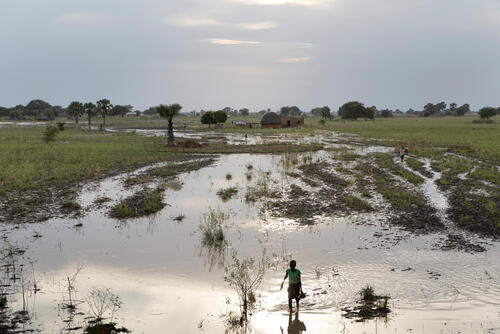
Forecasting Resources
Tropical cyclones (hurricanes, typhoons, cyclones) forecasting
- ADAM (Automated Disaster and Mapping) Tropical Storms monitors every significant cyclone worldwide, creating dashboards with maps and cyclone-related information.
- Joint Typhoon Warning Center (USA) provides typhoon forecasts in the Northwest Pacific Ocean, Indian Ocean and South Pacific Ocean.
- Météo France Réunion provides tropical cyclone forecasts in the Southwest Indian Ocean.
River flood forecasting
- Global Flood Awareness System (GloFAS) from Copernicus (EU) provides forecasts up to a month in advance.
- Google Flood Hub Real-time global flood forecasting.
- Flood Forecasting Toolbox (May 2025)
Drought forecasting
- The Global Drought Observatory provides drought-relevant information such as maps of indicators derived from different data sources.
- EADW | East Africa Drought Watch
- WFP | West Africa Drought Watch
- WFP | Mozambique Drought Watch
General extreme weather forecasting
- Extreme forecasting Index (Windy.com) ranks the departures between the Ensemble Prediction System forecasts and the model climate to identify unusual meteorological conditions related to temperature, wind or precipitation.
Global Disasters
- GDACS is a cooperation framework to improve alerts, information exchange, and coordination in the first phase after major sudden-onset disasters.