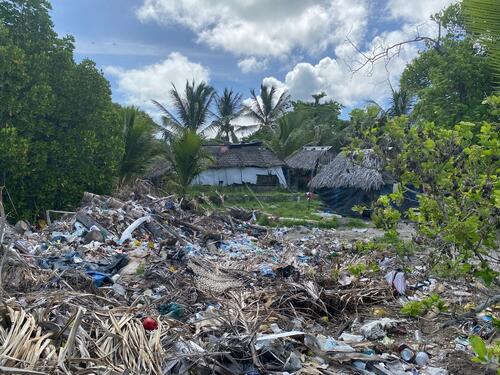
Environmental degradation accelerates climate and environmental vulnerabilities through ecosystem disruption. Deforestation, soil erosion, and pollution intensify floods, droughts, and disease transmission. These compound existing health risks—malnutrition surges with failing crops, respiratory illnesses worsen with air pollution, and waterborne diseases spread as freshwater systems collapse.
Air Pollution Spotlight
msf.orgAir Pollution as a Critical Climate Adaptation Challenge
This report highlights air pollution as a major environmental and health crisis, driven by fossil fuel combustion, industrial processes, and climate-amplified events like wildfires and dust storms. It details how pollutants (PM2.5, NO₂, SO₂, etc.) harm respiratory, cardiovascular, and neurological health, with disproportionate impacts on vulnerable populations—mirroring MSF’s humanitarian priorities. Critically, it underscores the climate-air pollution feedback loop: heatwaves intensify pollution (e.g., ozone formation), while droughts and deforestation increase dust storms and wildfires.
Read the Air Pollution Spotlight
Additional Resources:

Kamrangirchar hosts hundreds of small-scale factories working on plastic recycling and reprocessing, metal smelting, welding and moulding, battery manufacturing, textiles and other activities. From the 1960s until 2017, the adjoining Hazaribagh neighbourhood was home to 95% of Bangladesh’s leather industry tanneries.
Workers are highly exposed to physical and chemical hazards, working without protective clothing, often barefoot, in poorly ventilated conditions. This subjects them to occupational hazards such as injuries, skin disorders, respiratory problems, etc. The factories are located in the midst of residential areas, often in the same buildings as homes. High rates of poverty, combined with poor living and environmental conditions, also contribute to high levels of intimate partner violence.
MSF has operated primary health clinics in Kamrangirchar since 2014, providing occupational health consultations, vaccinations, adolescent reproductive health services and response for survivors of sexual and gender based violence. Outreach teams also engage in health promotion activities in the community, schools and factories.
Special instructions: All consent given
Lead Poisoning in Nigeria
msf.orgLead Poisoning Prevention as a Climate-Adaptive Health Measure
This articleby OCA documents the successful intervention in Zamfara, Nigeria, where lead poisoning from artisanal gold mining killed hundreds of children. Key actions included environmental remediation (soil decontamination), chelation therapy, and community-led safer mining practices to prevent re-exposure. Over 11 years, MSF screened 8,480 children and treated 3,549, ultimately halting child fatalities before handing the project to local authorities.
This case underscores how environmental degradation and climate pressures intersect with health crises, offering a replicable framework for adaptive humanitarian responses.
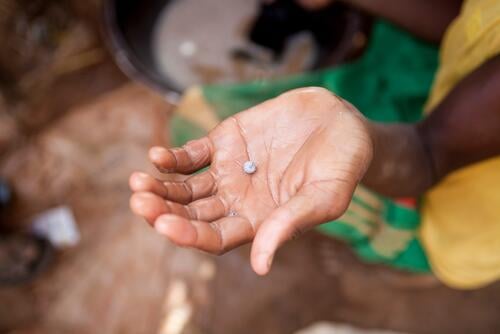
A worker shows the mercury-gold amalgam at the Bagega gold processing site. Nigeria, 2012.