Travel
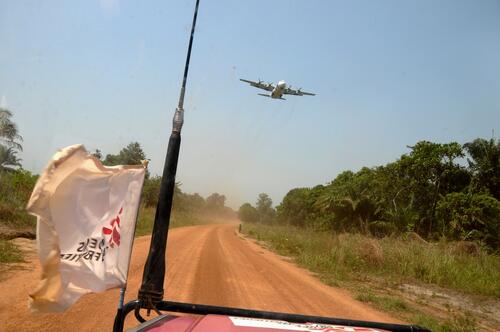
Passenger transport – by air, in particular – is a major source of carbon emissions. This is due to our operational model, which involves sending international mobile and HQ based support staff to field projects and using in many regions four-wheel drive.
Our activities further require a lot of products and equipment, part of which we purchase far from our field projects to ensure acceptable quality and availability; shipping all those goods – by air, in particular – contributes significantly to our carbon footprint.
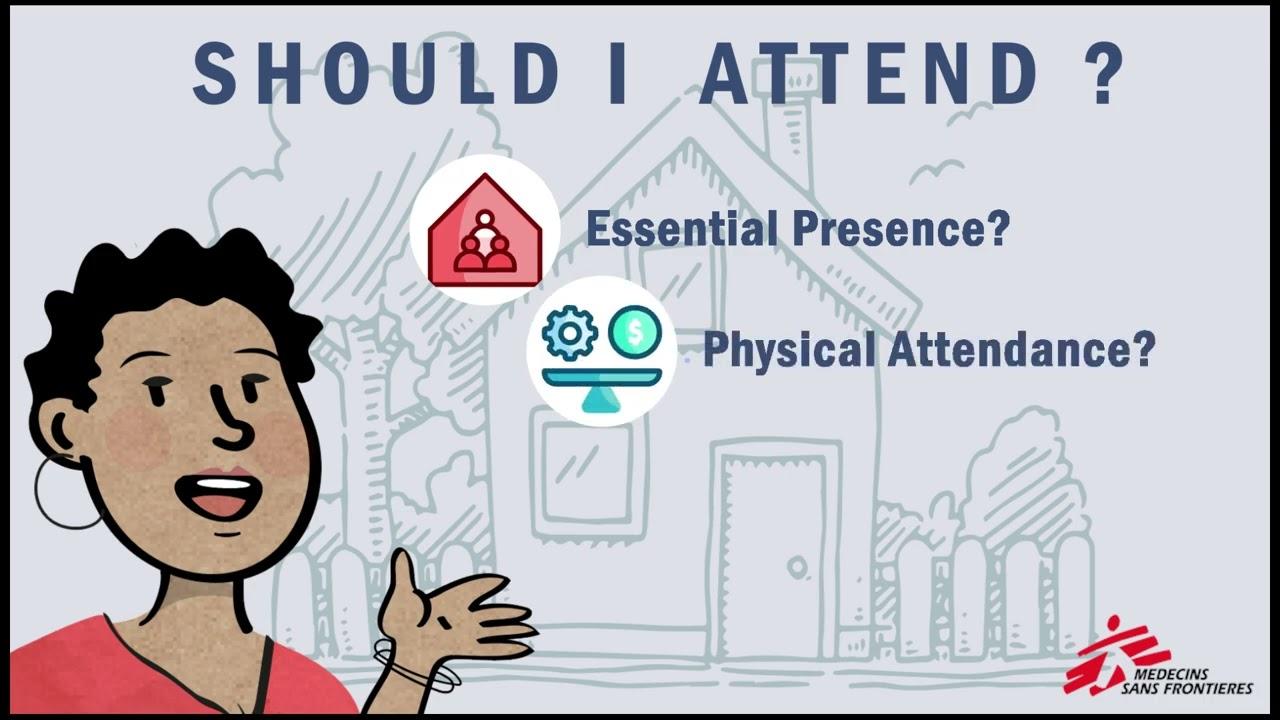
Reduction of our footprint related to transport and travel will require us to reduce the need for and to change the way we plan and execute our travels and transport of goods, to look for less carbon intensive solutions, like less carbon intensive transport means, and to optimize routing.
Sustainable reductions will require a cultural shift, consistent effort, and collaboration throughout the organization to align operational priorities with environmental.
We highlight four key principles to navigate this transition: lead by example, urging managers to adopt carbon-conscious travel choices; allow latitude for social mission objectives, ensuring flexibility for medico-humanitarian work; preserve MSF’s international character and diversity, maintaining global representation and inclusion; and the communicating vessel approach, recognizing that reduced efforts in one area may demand greater efforts in others.
At this page you will find:
MSF Carbon Travel App
apps.epicentre-msf.orgCheck before you Travel; Check when planning a meeting:
The MSF Carbon Travel App has been developed to assist MSFers in identifying the most environmentally responsible travel routes. https://apps.epicentre-msf.org/public/app/carbon-travel-app


ENVIRONMENT INTERNATIONAL TRAVEL GUIDANCE