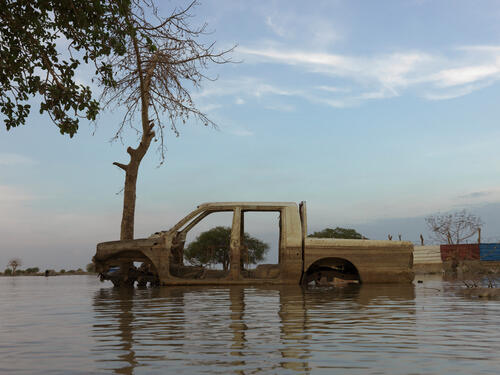
In Rubkona, South Sudan, vehicles lay abandoned and submerged in the floods that have devastated the area.
© Peter Caton
Eyebrow

KENYA: MSF emergency response to flooding in Tana River County.

In Rubkona, South Sudan, vehicles lay abandoned and submerged in the floods that have devastated the area.
© Peter Caton
Ebola disease in DRC: find out how we're responding
Learn more

In late March 2024, severe flooding forced more than 43,000 people from their homes, and take shelter in 30 internally displaced people camps, disrupting lives and livelihoods in Tana River County. In response, Doctors Without Borders/Médecins Sans Frontières (MSF) launched an emergency response in Garsen town providing medical assistance and delivering essential products to thousands of displaced families in the five biggest displaced people camps.

Since the launch of its intervention in Tana River County in response to the consequences of the flooding, MSF teams conducted 7,155 medical consultations to internally displaced people and host communities, including 1,623 children under 5 years old. Moreover, our medical teams manage to provide sexual and reproductive health consultations to 390 pregnant and postnatal women. The health care workers treated people suffering from upper and lower respiratory infections, gastritis, patients presenting symptoms of diarrhoea. Moreover, MSF assisted people with chronic diseases in need for regular treatments, mainly hypertension, asthma and diabetes and carried out 1,309 mental health consultations.
Video

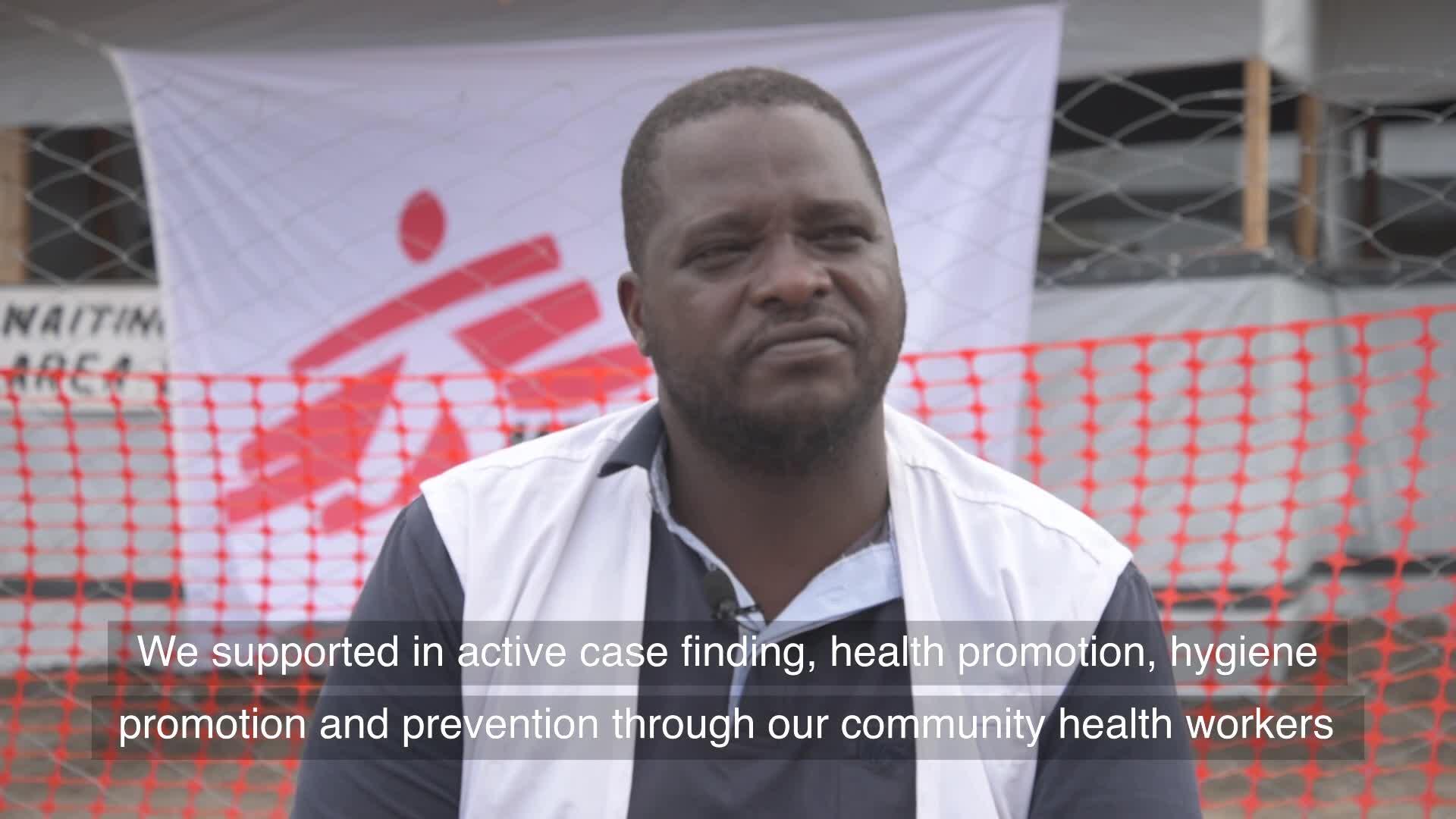
Garsen emergency intervention

In May 2024, MSF launched an emergency mobile response in Tana River County to contribute to the reduction of mortality and morbidity of people affected by the floods. This included providing primary healthcare including vaccination through outpost and mobile outreach clinics in 5 displaced persons camps and refer those requiring hospital care to higher level heath facilities. In addition, our teams paid specific attention to water and sanitation investments as well as mental health services and health promotion activities to displaced and host populations, to prevent as much as possible the onset of water-borne diseases. MSF emergency response was informed by the healthcare needs of the people displaced by floods and settled in IDP camps following a needs assessment. Presently, some of the IDPs have since returned to their original homes and health conditions have improved. MSF will thus end the emergency response in Garsen on 3rd August.
Zainab Mohammed/MSF