This page was last updated on 5 June 2026.
This outbreak was identified following alerts of unusual deaths in early May in an area northwest of Bunia, the capital of Ituri province in DRC. The outbreak has spread fast, in an area of extreme insecurity. Cases have been reported across Ituri province and into North Kivu and South Kivu provinces. Nineteen cases have also been reported in neighbouring Uganda.
MSF has extensive experience in responding to Ebola outbreaks and our teams are quickly scaling up our response. However, the Bundibugyo virus poses particular challenges, given there is a short supply of testing kits for diagnosis, and this virus does not benefit from approved treatments nor vaccines.
What to know about the 2026 Ebola disease outbreak
MSF teams are working around the clock on a large-scale response in DRC, in collaboration with the Congolese health authorities, WHO, and partners.
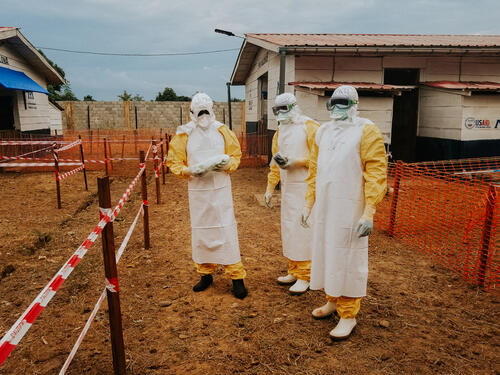
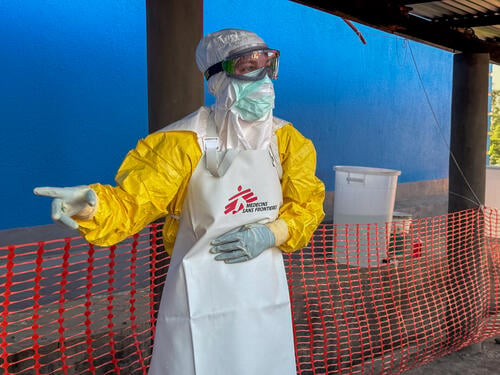
One of our main activities is operating Ebola treatment centres in areas where cases have been reported. These centres provide specialised care and contain the spread of the disease. We currently have Ebola treatment centres in Mongbwalu and Bunia in Ituri province, and Goma in North Kivu province. We continue to set up centres in Bukavu and Lwiro in South Kivu province, Butembo in North Kivu province, and an additional 65-bed centre in Mongbwalu.
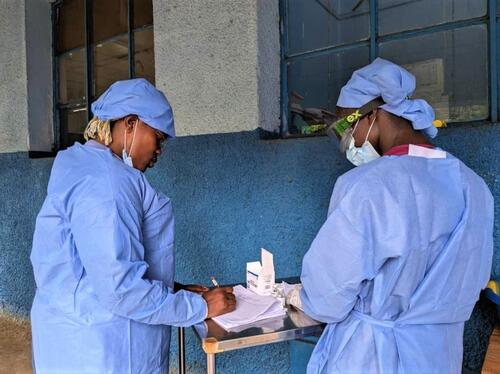
In Kyeshero hospital, which our teams already support with paediatric services, MSF is training hospital medical staff on Ebola case management and strengthening isolation and patient care.
Several tons of equipment and supplies have made it to DRC, and more are on the way. This includes personal protective equipment (PPE), medical equipment, medicines, generators, solar panels, disinfectants, and hygiene equipment.
We are mobilising medical and logistics staff who are experienced in treating viral haemorrhagic fevers, including dozens of internationally mobile staff, to support our Congolese colleagues.
The rest of our response activities are still being defined. However, a typical Ebola response comprises six main pillars:
- care and isolation of patients;
- tracing and follow up of patient contacts;
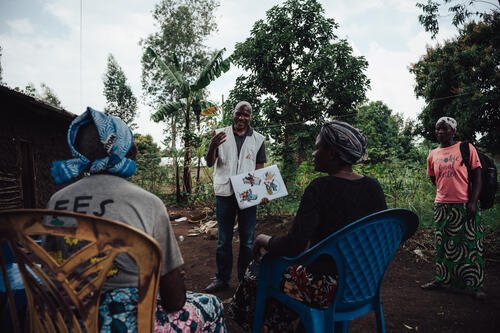
- raising community awareness of the disease, such as how to prevent it and where to seek care;
- conducting safe burials;
- proactively detecting new cases; and
- supporting existing health structures.
Importantly, protecting staff and patients through safeguarding, duty of care, and Ebola prevention measures, while ensuring continued access to essential healthcare services, are among our priorities. Community engagement is also a key aspect of the response. The outbreak response must be built with communities and cannot come at the expense of other lifesaving healthcare.
In Uganda, we have rehabilitated an Ebola treatment centre in Kampala and an isolation centre in Bwera, a town near the border with DRC. We remain in contact with the Ugandan Ministry of Health to increase our response if needed.
DRC has faced 16 outbreaks of Ebola disease since it was first identified in 1976 – this outbreak is the 17th. Nearly all of the previous outbreaks have been of the Ebola (Zaire) virus.
However, the 2026 Ebola outbreak is caused by the Bundibugyo virus. Dealing with this outbreak will be difficult, given there is a short supply of testing kits for diagnosis and there are no approved treatments or vaccines for Bundibugyo virus. While there have been improvements in testing capacity, nobody knows the true scale and severity of this outbreak.
People in the areas affected in DRC are also living through extreme levels of conflict and displacement. It may be complicated to identify, follow up, and isolate cases as people are on the move and the health system is under resourced.
Ebola disease outbreaks have been officially declared in DRC and Uganda. In DRC, cases have been identified in Ituri, North Kivu, and South Kivu provinces. In Uganda, 19 cases have been confirmed.
Outside of the Ebola outbreak, people living in Ituri, North Kivu, and South Kivu provinces in DRC are already facing a humanitarian crisis. The provinces are affected by violence, displacement, chronic poverty, and weak infrastructure. These elements place strain on health facilities and hinder surveillance, contact tracing, and timely treatment — the main pillars of an effective response. As well, poor roads, armed checkpoints, shifting frontlines, and needing to move between areas under the control of different armed groups slow down the transportation of tests to laboratories.
“Ebola disease” is a disease caused by any virus within the genus of Orthoebolavirus. We are not dealing with a strain of Ebola, but a virus. Bundibugyo virus is among the three well-known species: Ebola (or Zaire) virus, Sudan virus, and Bundibugyo virus.
This is the third detected outbreak involving the Bundibugyo virus, following outbreaks in Uganda in 2007-2008 and in DRC in 2012.
There are no approved vaccines or treatments available for Bundibugyo virus and those which have been developed for Ebola virus have not been approved for Bundibugyo. Diagnosing people is also challenging for Bundibugyo virus; tools, such as GeneXpert – an automated, cartridge-based molecular diagnostic system – developed for Ebola virus cannot be used. Conventional PCR testing, which is more cumbersome and requires a higher level of training to use, is needed, however there is currently a shortage of the test kits specific to Bundibugyo virus.
One of our biggest concerns is that we do not know the full picture of the outbreak, due to a lack of diagnostics and underreporting of cases. Cases began weeks ago, and today the epidemiological situation is unclear and moving fast.
We also see that the current response, including our own, falls short of what is needed. Critical gaps in surveillance, testing, and rapid case detection must be urgently addressed. The local health system needs laboratories and training to safely conduct tests, and the producers of diagnostic tests and other essential tools need to scale up availability. We are also facing major constraints, including border and airport closures, which continue to delay the arrival of critical medical supplies, humanitarian aid, and specialised personnel.
The affected areas in DRC are also highly insecure. People are moving across the borders with Uganda and South Sudan, driven by conflict and mining activities, which may accelerate transmission and complicate efforts to contain the outbreak. Health facilities are also under immense strain, and may not have adequate infection prevention and control measures to manage Ebola cases.
MSF has vast experience responding to Ebola disease outbreaks. We have been an active partner in many Ebola responses, including the 2014-2016 Ebola epidemic in West Africa. We also have experience with Ebola caused by Bundibugyo virus, having responded to outbreaks in 2007 and 2012.
Latest news about MSF’s Ebola outbreak response in DRC
- Try a different country, year, format, or topic.
- Clear one or more filters