What is the situation in Venezuela after the earthquakes?
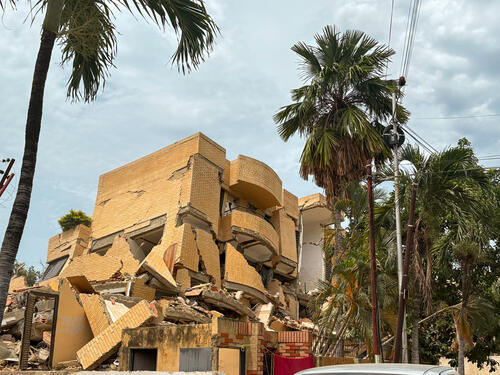
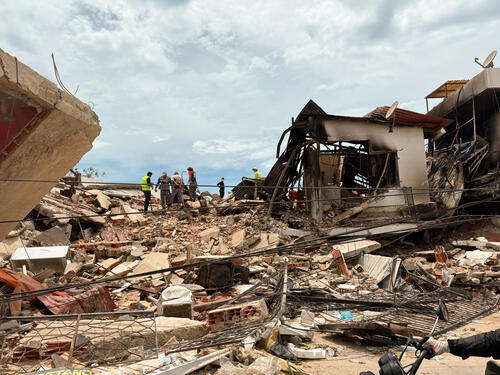
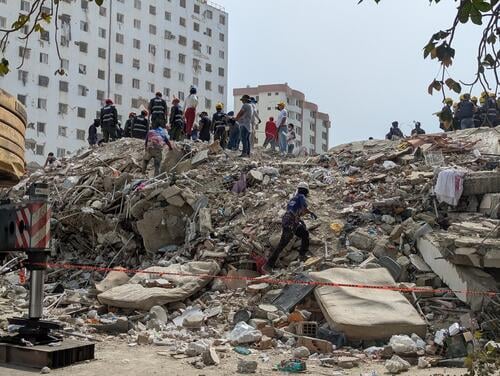
On 24 June 2026, two powerful earthquakes struck Venezuela one after another. They have caused widespread damage, with the cities of La Guaira and Caracas particularly affected. More than 3,500 people have died and over 16,700 have been injured, according to OCHA.1
Many residential buildings were damaged, leaving families displaced and in need of shelter, water and sanitation services, food, and medical care.
How is MSF responding to the earthquakes in Venezuela?
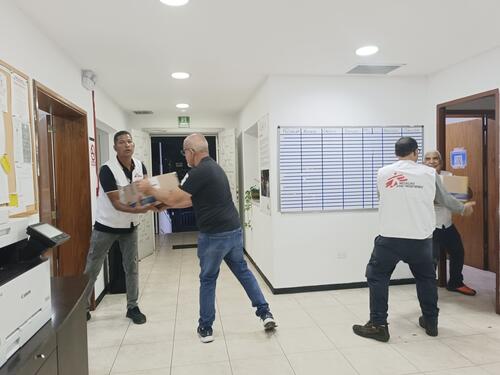
During the first hours after the earthquakes, MSF was able to donate trauma kits to hospitals in La Guaira and Caracas. These kits, which are made to prevent rapid blood loss from traumatic injuries, filled supply gaps after hospitals had exhausted their own stocks treating the injured. The trauma kits and medical supplies we have donated cover the needs of approximately 10,000 patients. We continue to distribute medical supplies, with 8.5 tons provided so far.
We have multiple mobile clinics running in informal displacement sites where people are staying, with teams made up of doctors, nurses, psychologists, health promoters, environmental health specialists, and other colleagues. We currently operate two regular mobile clinics; one in Playa Verde, La Guaira state, and the other in the centre of Caracas. Elsewhere, we have clinics visiting other affected areas, like Catia La Mar and Naiguatá.
In the first days of providing care through mobile clinics, we conducted 120 outpatient consultations and around 50 individual and group mental health sessions. We are continually assessing our response so that we adapt to the evolving emergency.
What is MSF seeing in Caracas and La Guaira?
Our colleagues report that some hospitals needed multiple donations of materials during the initial trauma phase of the emergency.
Where people are currently settling, they are in need of water and sanitation services, like showers and latrines, so they can live in dignified conditions. In our mobile clinics, we are seeing people for chronic conditions, but also treating people for diarrhoea, respiratory illnesses, and skin conditions. People will likely need psychological support to cope with the devastation of the earthquakes, so we are providing mental health care through our mobile clinics.
Natural hazards
People need mental and medical help one month after the earthquakes in Venezuela
Project Update
24 Jul 2026
Refugees, IDPs and people on the move
MSF assists migrants in distress who disembarked on West African shores
Press Release
7 Sep 2026