



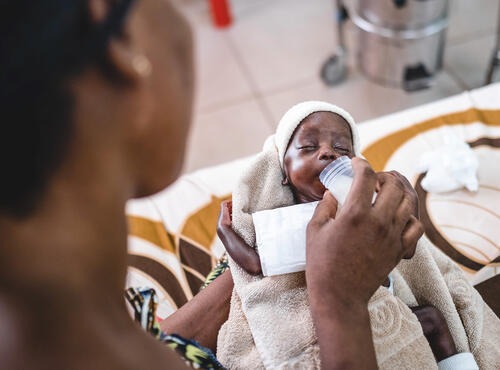
Thousands of people have been killed or wounded and millions displaced during years of bloody – but largely neglected – conflict in the Central African Republic.
Since the civil war of 2013, CAR has been marked by cycles of intensive violence. Fighting between the government and non-state armed groups, spurred by an election process, escalated in early 2021.
MSF sees the direct consequences of violence on the health of individuals and entire communities. There is a severe lack of access to healthcare; trained health workers are scarce, health services are poorly resourced and often targeted by the conflict; and patients need to travel hundreds of kilometres on dangerous roads to reach medical structures.
In CAR, we focus on treating victims and survivors of sexual violence; provide sexual and reproductive healthcare, including maternal healthcare; and provide treatment to people living with HIV.
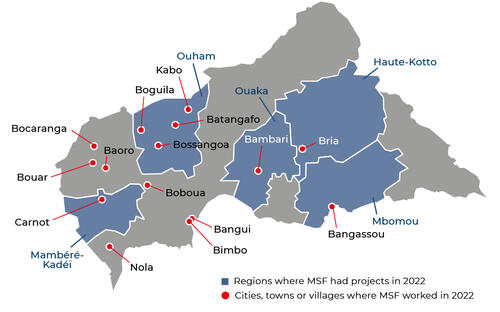
Our activities in 2022 in Central African Republic
Data and information from the International Activity Report 2022.
2,795
2,795
€67.6 M
67.6M
1997
1997
MSF in Central African Republic in 2022
Despite ongoing insecurity, Médecins Sans Frontières (MSF) continues to run programmes focused on maternal and child health, and responding to conflict, displacement and disease outbreaks in Central African Republic (CAR).

937,200
937,2
8,960
8,96
8,740
8,74
6,220
6,22

Central African Republic
Invisible Wounds: MSF findings on sexual violence in CAR between 2018 and 2022
Report
24 Oct 2023
Central African Republic
Sexual violence in Central African Republic is a “public health emergency”
Press Release
24 Oct 2023

Women's health
Abortion: Women more at risk of death in fragile and conflict-affected settings
Project Update
5 Sep 2023

Central African Republic
Attacks against staff and patients in Batangafo threaten continuation of healthcare
Press Release
1 Sep 2023
Central African Republic
Health emergency in Central African Republic requires urgent response
Project Update
21 Aug 2023

Central African Republic
Ten years of atrocities and violence in Central African Republic
Project Update
20 Mar 2023
Central African Republic
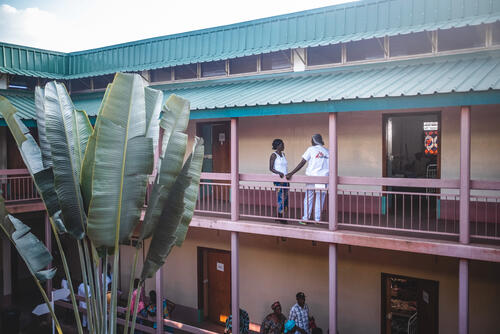
The forgotten emergency of maternal healthcare in the Central African crisis
Project Update
10 Jan 2023
Central African Republic
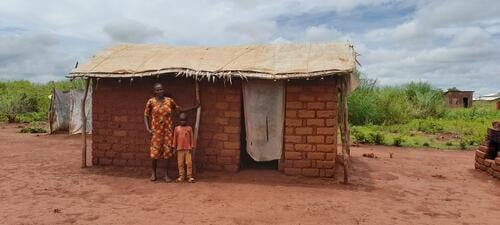
After years of conflict, displaced people struggle to return home in Bria
Project Update
13 Dec 2022
Central African Republic
MSF condemns the killing of our colleague in Central African Republic
Statement
31 May 2022