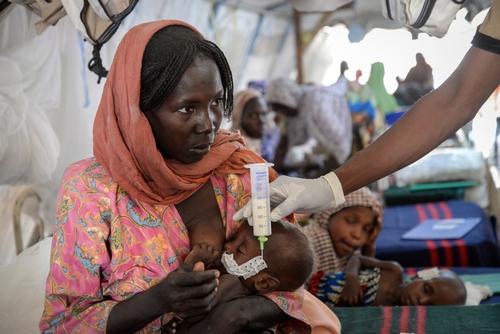
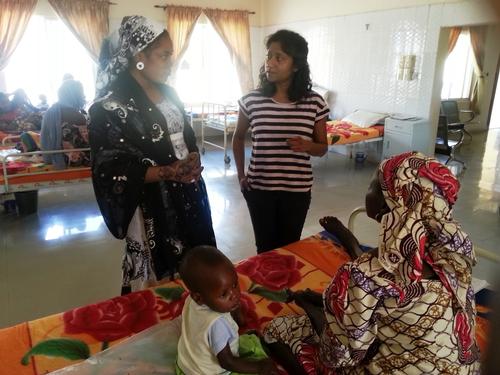
Abdul 11 month, has been admitted for malnutrition in the MSF center of intensive nutritional treatment in Gwange (district of Maiduguri). His family fled to Mafa. She is host by parents in Maiduguri. The displaced people living among the host community do not receive food help.
© Aurelie Baumel/MSF

MSF begins surgical activities in the city of Maiduguri, treating victims of a large attack.

Abdul 11 month, has been admitted for malnutrition in the MSF center of intensive nutritional treatment in Gwange (district of Maiduguri). His family fled to Mafa. She is host by parents in Maiduguri. The displaced people living among the host community do not receive food help.
© Aurelie Baumel/MSF
Ebola disease in DRC: find out how we're responding
Learn more

Since 28 September 2015, an MSF team has been working in the 11-bed emergency room at Umaru Shehu hospital in Maiduguri, the capital of the Borno State, northern Nigeria. In response to recent attacks that caused many injuries, MSF began performing trauma surgery at the hospital on 28 December.

The Umaru Shehu hospital treats patients referred from smaller health structures, and also provides care to people wounded during attacks. MSF provided essential medicines and medical materials, refitted the operating theatre and set up a mass casualty plan. Every week, MSF receives about 200 patients in the hospital's emergency room.

On October 1st, MSF staff and the hospital’s teams treated 20 patients (including 6 children and 11 women) wounded during yet another wave of suicide bomb attacks. Islamist militants launched an unusually large attack on the city beginning on the evening of 27 December, which was followed by a series of suicide bombings on the 28th.
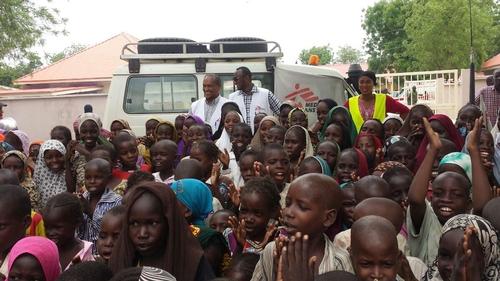
MSF set up operations in Borno in May 2013 but had to pull out because of the security situation. In August 2014, MSF returned to Maiduguri on a permanent basis. The security situation in Borno continues to be extremely volatile with regular reports of clashes between the military and insurgents, particularly in rural areas. The government is planning the return of IDPs to their home communities by January 2016.  But this plan encounters resistance from IDPs as the security situation in the surrounding areas remains tense. 

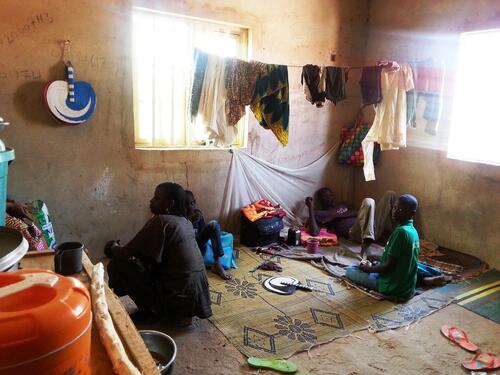
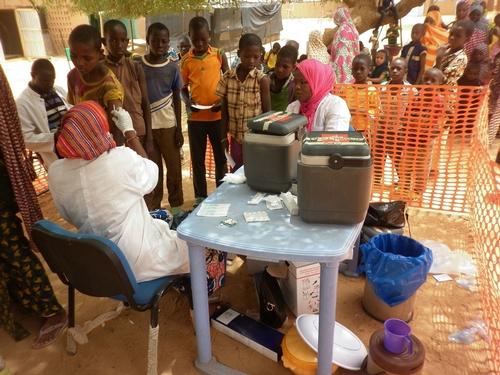
Since 28 September 2015, an MSF team has been working in the 11-bed emergency room at Umaru Shehu hospital in Maiduguri. MSF continues its sanitarian and health surveillance/monitoring in 15 IDP camps. MSF also continues its medical activities in 2 camps – ATC and Teachers Village camps – where we provide primary healthcare and antenatal consultations.  MSF also carries out water & sanitation activities in 9 of the 15 IDP camps. In late September 2015 MSF transferred secondary healthcare activities from Maimusari clinic to the Infectious Diseases Hospital. MSF continues to run two clinics in urban districts in Maimusari and Bolori to provide primary healthcare.
An MSF team has been working in the 11-bed emergency room at Umaru Shehu hospital in Maiduguri since 28 September 2015
Michèle MARIETTE/MSF

In response to the high number of wounded, MSF began performing trauma surgery on 28 December in Maiduguri’s Umaru Shehu Hospital. In three days, MSF treated about 40 patients, including seven critical cases.

"While many adults were treated, our team was struck by the number of children presenting with shrapnel wounds," said Peter Orr, MSF emergency coordinator. "The addition of our surgical team allowed us to treat patients on site rather than refer them to the one city hospital with trauma surgery capacity from the International Committee of the Red Cross (ICRC), which was also handling many cases."

Maiduguri currently hosts over a million people displaced by attacks and violence throughout the state of Borno, in northeastern Nigeria. Other MSF activities in the city include primary health care, maternal health care, therapeutic feeding for severely malnourished children, epidemic and health surveillance, and water and sanitation projects.