


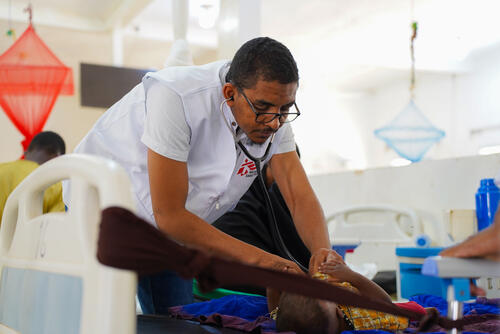
We work across a number of states in Somalia, providing a wide range of medical care – especially to women and children – to both local communities and displaced people.
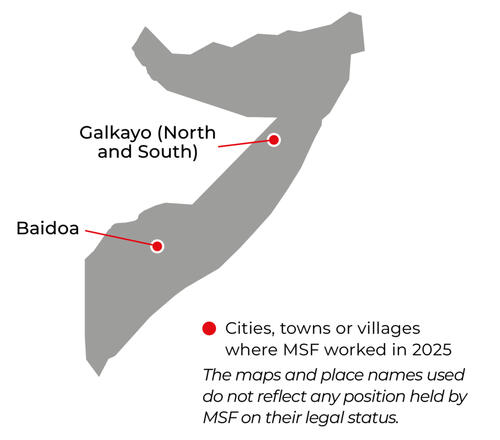
Our activities in 2025 in Somalia
Data and information from the International Activity Report 2025.
101
101
€16.6 M
16.6M
1979
1979
MSF in Somalia in 2025
As the drought and malnutrition crisis worsened in Somalia in 2025, Médecins Sans Frontières provided lifesaving care for mothers and children, as well as vaccines and treatment for infectious diseases.

304,200
304,2
66,400
66,4
26,500
26,5
10,300
10,3

Somalia
People and healthcare must be protected amid escalating violence in Baidoa, Somalia
Press Release
28 Sep 2026
Somalia
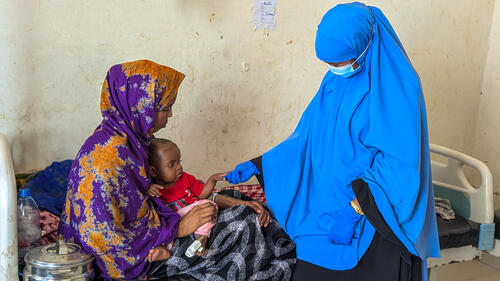
Somalia: MSF calls for treatment for malnutrition to be restored across Mudug
Press Release
16 Sep 2026
Somalia
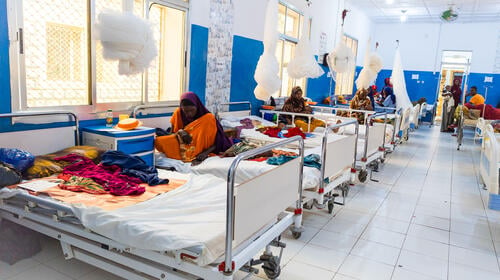
Survey of displaced families in Baidoa finds every second child malnourished
Press Release
11 Aug 2026
Natural hazards
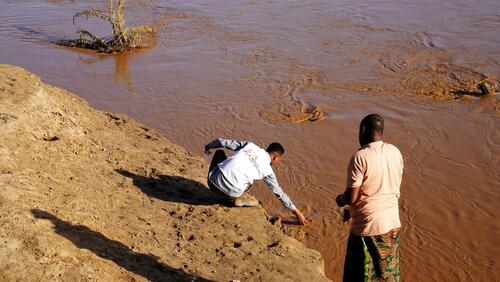
Drought and displacement push millions to the brink in Somalia and Ethiopia’s Somali Region
Project Update
11 May 2026
Somalia
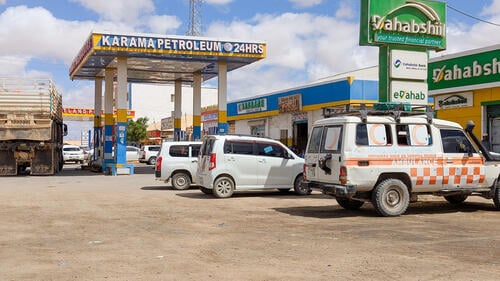
Somalis struggle to reach healthcare amid overwhelming fuel prices
Press Release
27 Mar 2026
Somalia
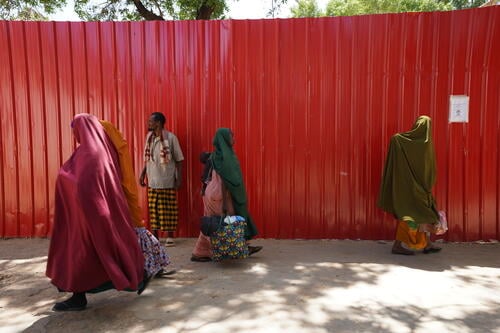
Walking for her life: the triple healthcare delay for women in Somalia
Voices from the Field
6 Mar 2026
Find us online