



Ebola disease in DRC: find out how we're responding
Learn more
8000 Results
 
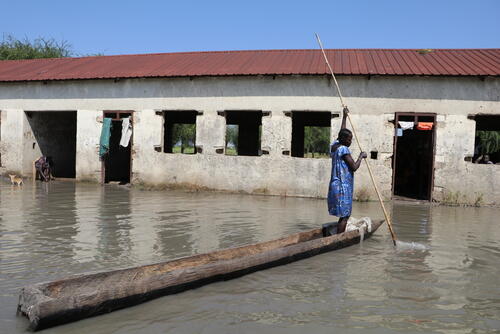
Woman uses a canoe to move through floodwaters in Wangchot village, Old Fangak.  Since July 2020, severe flooding have affected an estimated 800,000 people across a wide swathe of South Sudan, inundating homes and leaving people without adequate food, water or shelter. As of beginning of December 2020, in Fangak county, Jonglei state, the water levels remain high, and in some areas continue rising, affecting people on a daily basis.
Climate emergency

The climate crisis is a health and humanitarian crisis

Médecins Sans Frontières (MSF) is attending the COP26 Climate conference in Scotland this week. Here's why. Project Update - 5 Nov 2021
 
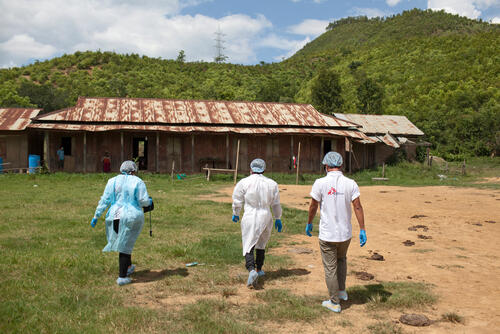
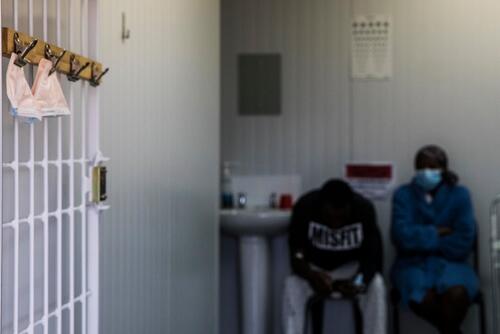
Members of the MSF mobile response team head towards a school building which was temporarily used to house people isolating with COVID-19.
Coronavirus COVID-19 pandemic

Providing support for COVID-19 in Manipur

Following a severe wave of COVID-19 in India, MSF teams responded in Manipur state, providing treatment to patients and supporting the local health system. Project Update - 5 Nov 2021
 
A wooden boat in distress, with 36 people on board before the rescue, on 22nd October, 2021.
Mediterranean migration

Search and rescue: “They describe Libya as hell”

In the latest rescues from the Mediterranean, 140 survivors were unaccompanied minors. Julie Melichar describes the shocking reality of crossing the world's deadliest migration route. Voices from the Field - 31 Oct 2021
 
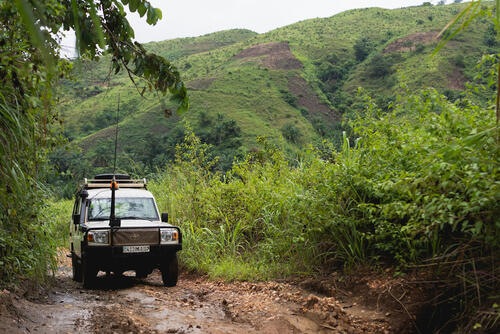
Angumu is a remote and mountainous area of the Ituri Province of north-eastern DRC. Access to the area is limited and roads are hard to travel.
Democratic Republic of Congo

Activities suspended in Ituri health district following attack on vehicle

MSF teams have suspended our activities in a health district in Ituri province, northeast Democratic Republic of Congo, following an armed attack on an MSF vehichle, wounding two staff. Press Release - 30 Oct 2021
 
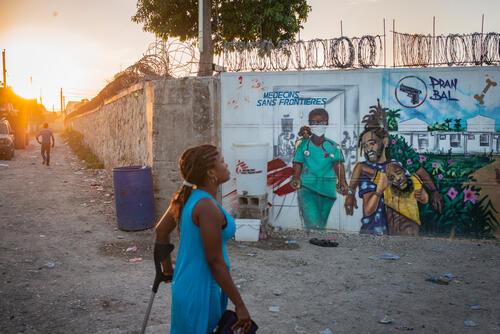
Main entrance of Tabarre hospital.
Haiti

Haiti fuel crisis severely limits access to vital medical care

A fuel shortage in Haiti is causing serious disruptions to medical care in the country, limiting MSFs ability to treat patients and essential medical staff from reaching healthcare facilities. Press Release - 27 Oct 2021
 
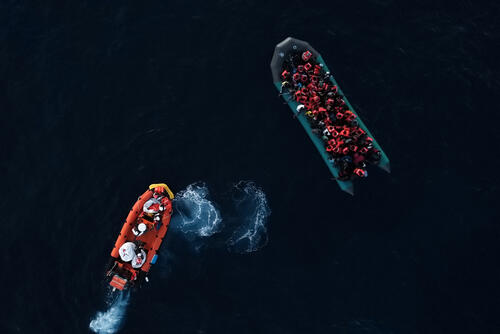
On the evening of the 23rd of October, a rubber boat with 95 people on board, was about to be intercepted by the Libyan Coast Guard, MSF teams arrived on time to carry out the rescue safely.
Mediterranean migration

Nearly 400 people rescued from the Mediterranean need a place of safety

Nearly 400 people have been rescued from the Mediterranean sea - with dangerous weather conditions forecast, we are calling on Italy to provide a place of safety for the people on board the Geo Barents now. Project Update - 26 Oct 2021
 
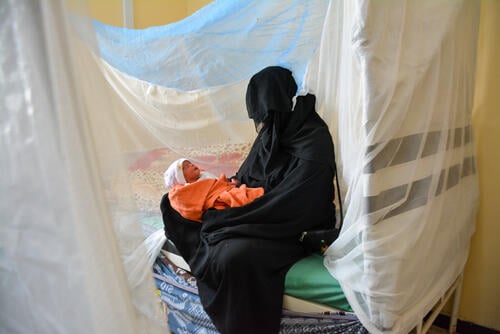
Makkia holding her sister Fatima’s baby in the post-operative ward of the Al-Qanawis mother and child hospital supported by MSF in Hodeidah, Yemen. Fatima was admitted to the ward after a C-section.
Yemen

Newborn babies struggle to survive in war-torn Yemen

In war-torn Yemen, while our teams are working to keep newborn babies healthy, those who cannot reach us are dying unnecessarily due to a lack of access to healthcare. Voices from the Field - 22 Oct 2021
 
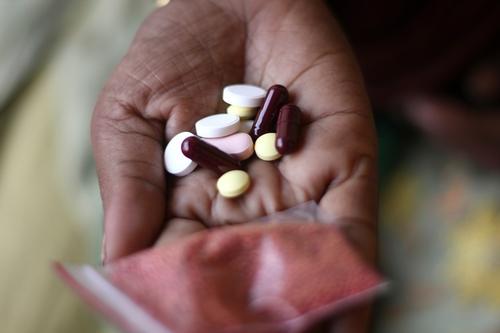
Patients wait for their medications at Doris Goodwin Hospital, KwaZulu-Natal, South Africa.
Tuberculosis

Clinical trial results offer hope to DR-TB patients with short, effective treatment

New results from MSF's PRACTECAL clinical trial show a much shorter treatment regimen for drug-resistant tuberculosis is superior to current care. Press Release - 20 Oct 2021
 
Shanti (name changed) is a 38 year old semi-literate woman living in Mumbai. She has been living with HIV and multidrug resistant tuberculosis (MDR-TB) for the past 5 years.

Before coming to MSF, she had undergone TB treatment three times, but, instead of improving, each time her health had worsened.

She started her treatment for MDR-TB from MSF Mumbai Project in November, 2010. Given the side effects of anti-Tb medicines and high pill burden, she finds it difficult to continue with the treatment. â??If pill burden is reduced it would be a great relief. It seems that it is the medicines which have become my food now. There are more medicines in my stomach than food. The doctor says that when my weight will increase, the amount of medicines will decrease.â?    

Her husband provides her hope and courage to continue with the treatment . â??If my husband were not there I would have left the treatment long ago. It is his courage and faith that keeps me going.â?
Tuberculosis

EndTB clinical trial for multidrug-resistant TB completes enrolment

The endTB partnership has just completed the enrolment of 750 patient volunteers in a worldwide clinical trial which aims to find safer, shorter, effective treatment for MDR tuberculosis. Press Release - 18 Oct 2021
 
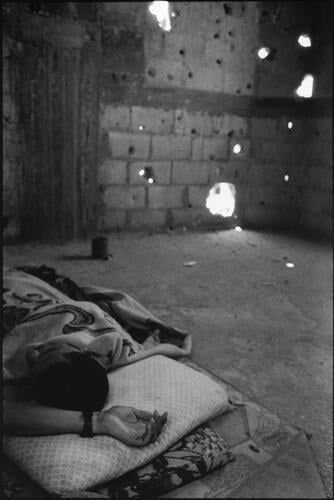
Tufah, Khan Younis, Gaza Strip, July 2001
Tufah is a neighbourhood of Khan Younis. At the very end of a street that leads to the Al-Mawassi checkpoint, one arrives in Tufah. The neighbourhood has been hard hit. Many houses are completely or totally destroyed due to Israeli shelling. Tents have been set up in the street by the United Nations for those who no longer have a roof over their heads, but some families leave their houses at night to find refuge elsewhere. And come back in the morning to sleep in their houses during the day. 
Tuffah, Khan Younis, Bande de Gaza juillet 2001
Tuffah est un quartier de Khan Younis. Tout au bout d une rue qui conduit au check point de El Mawassi, on arrive à Tuffah. Le quartier a été rudement touché. De nombreuses maisons sont détruites ou partiellement détruites en raison des tirs israéliens. Des tentes ont été installées dans la rue par les Nations unies pour ceux qui n ont plus de toit. Mais certaines familles quittent leur maison la nuit pour aller se réfugier ailleurs. Et reviennent le lendemain pour dormir chez eux dans la journée.
War and conflict

Adding salt to the wound: Counter-terrorism and healthcare

An MSF report on the experience of MSF frontline workers providing impartial healthcare in counter-terrorism environments. Report - 18 Oct 2021
Four mothers posing in a corridor of the Hospital in Bili. All four of them are staying in the hospital with their child, that's suffering from a severe case of malaria. Since the beginning of the project in 2016, the pediatric ward already treated more than 4.000 cases of complicated/severe form of malaria.
Médecins Sans Frontières (MSF)

Independent medical humanitarian assistance

We provide medical assistance to people affected by conflict, epidemics, disasters, or exclusion from healthcare. Our teams are made up of tens of thousands of health professionals, logistic and administrative staff - most of them hired locally. Our actions are guided by medical ethics and the principles of independence and impartiality. We are a non-profit, self-governed, member-based organisation.

Learn more